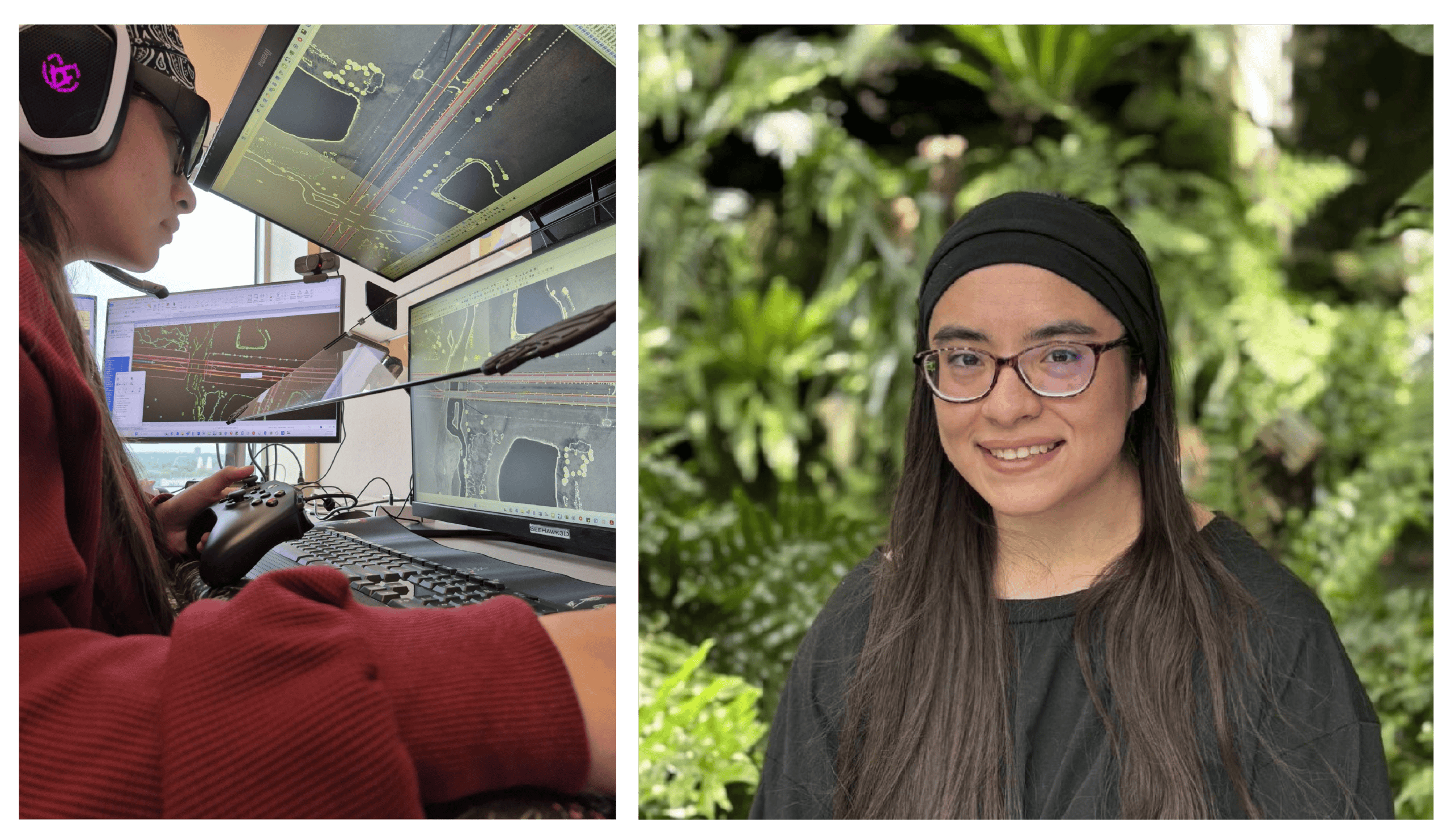
If They Can See It, They Can Be It: Why I Choose to Show Up for the Next Generation of Latinas in STEM
Representation Can Start With Something as Simple as Being Seen
I did not grow up knowing that photogrammetry could be a career. Today, as a Latina and first-generation college graduate in the geospatial field, one of the most meaningful parts of my journey is helping the next generation discover possibilities in STEM they may not even know exist.
You Cannot Dream About a Career You Have Never Seen
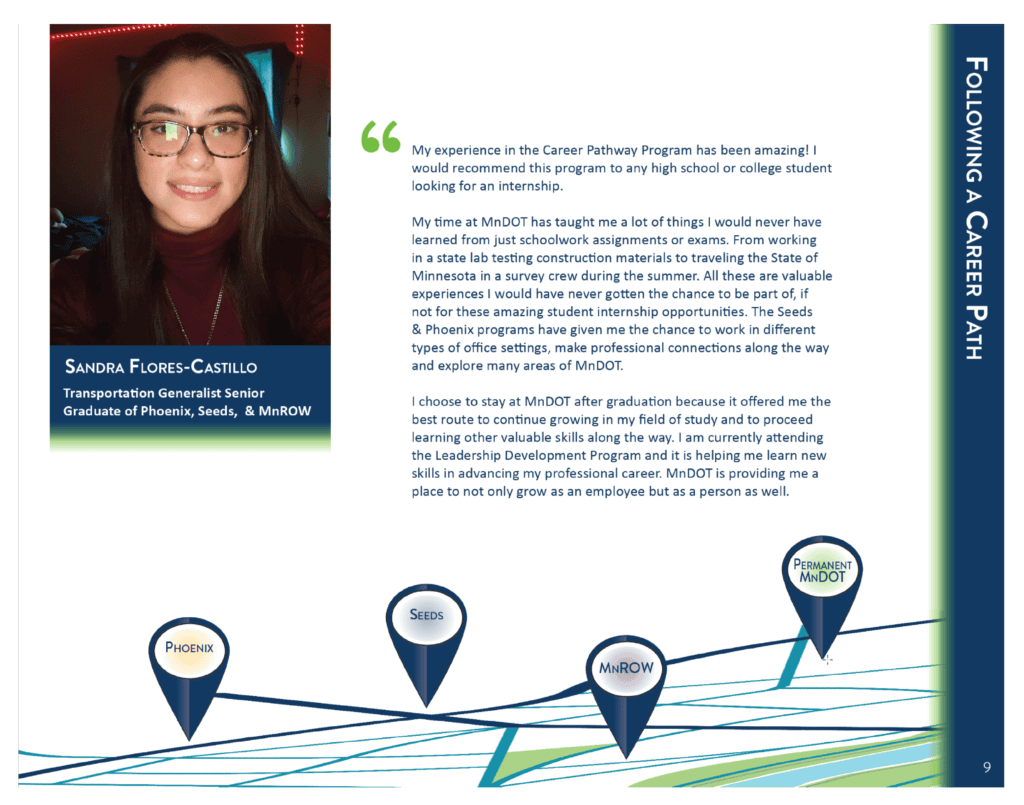
Ask a classroom of students what they want to be when they grow up, and you will probably hear familiar answers: doctor, engineer, teacher, or scientist. But ask them about becoming a photogrammetrist, GIS professional, surveyor, or remote-sensing specialist, and you may hear a different response: What is that? I understand that reaction because I once would have had it, too. My journey into geospatial STEM began when I joined the Minnesota Department of Transportation (MnDOT) as a high school intern at 17. At the time, I had no idea that my experiences would eventually lead me toward geography, GIS, and photogrammetry.
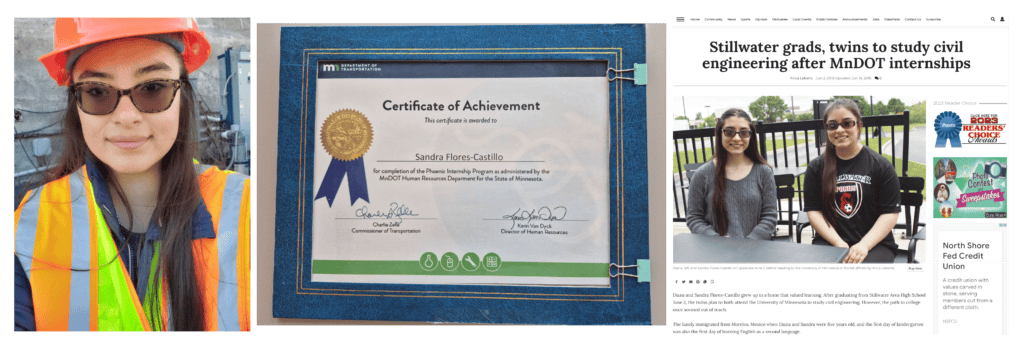
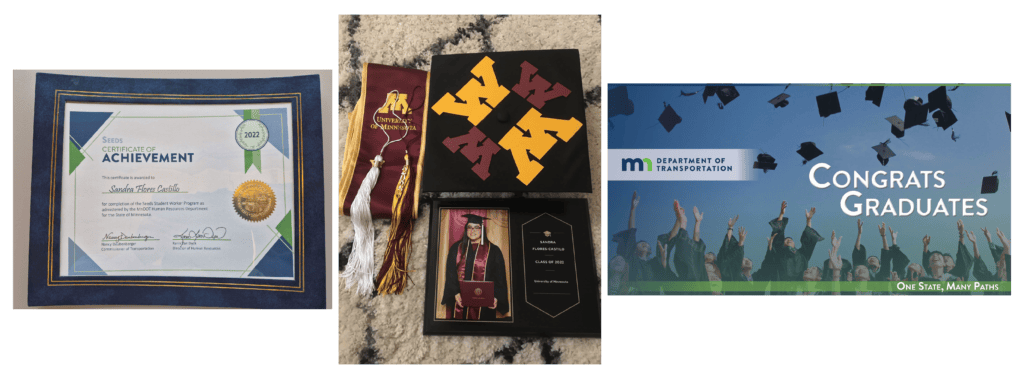
Over time, through education, work experiences, and mentors, I discovered an entire world of careers connected to mapping and geospatial technology. I eventually earned my Bachelor of Science in Geography from the University of Minnesota Twin Cities and built a career in photogrammetry, a field that uses imagery to measure and map the physical world.
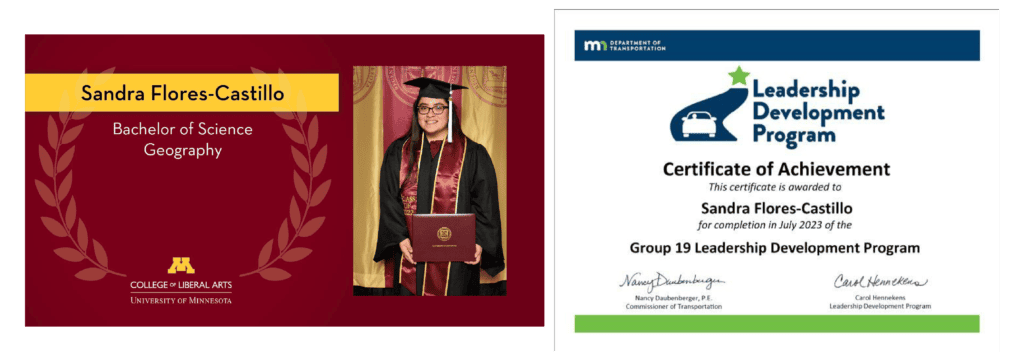
One of the most meaningful turning points in my career came through MnDOT’s Leadership Development Program (LDP), where I participated in a course designed to introduce employees to different offices and career opportunities throughout the agency.
During one of these experiences, I was introduced to the Photogrammetry and Remote Sensing Unit for the first time. I was fascinated by how the team used aerial imagery, mapping, and geospatial technology to support transportation projects. A few months later, I noticed an open position within the same unit. Remembering my experience during the LDP tour, I decided to apply, and I was hired!
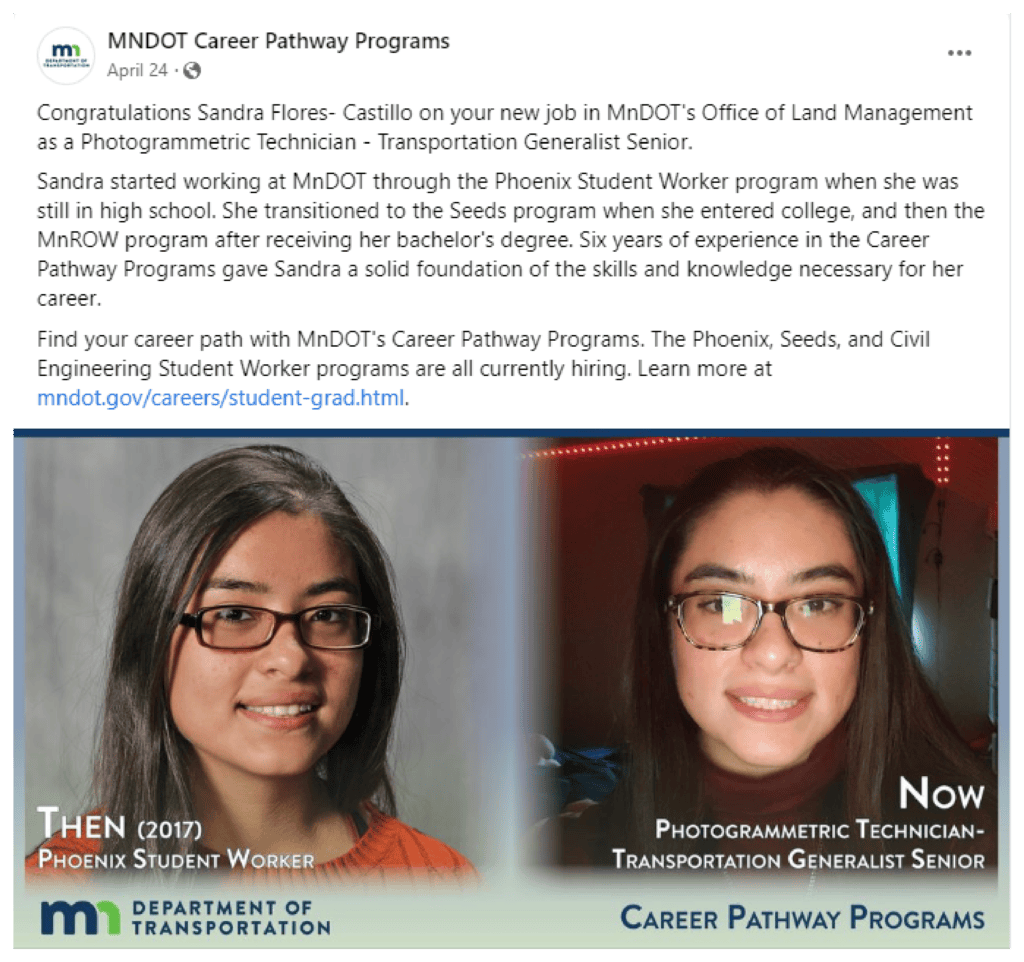
What makes this experience especially meaningful is that my connection with LDP did not end there. Over the years, I returned to share my MnDOT career pathway with new participants and even helped lead photogrammetry tours similar to the one that first introduced me to the field.
It has been a full-circle experience: I went from being someone discovering photogrammetry for the first time to becoming someone helping others discover it.
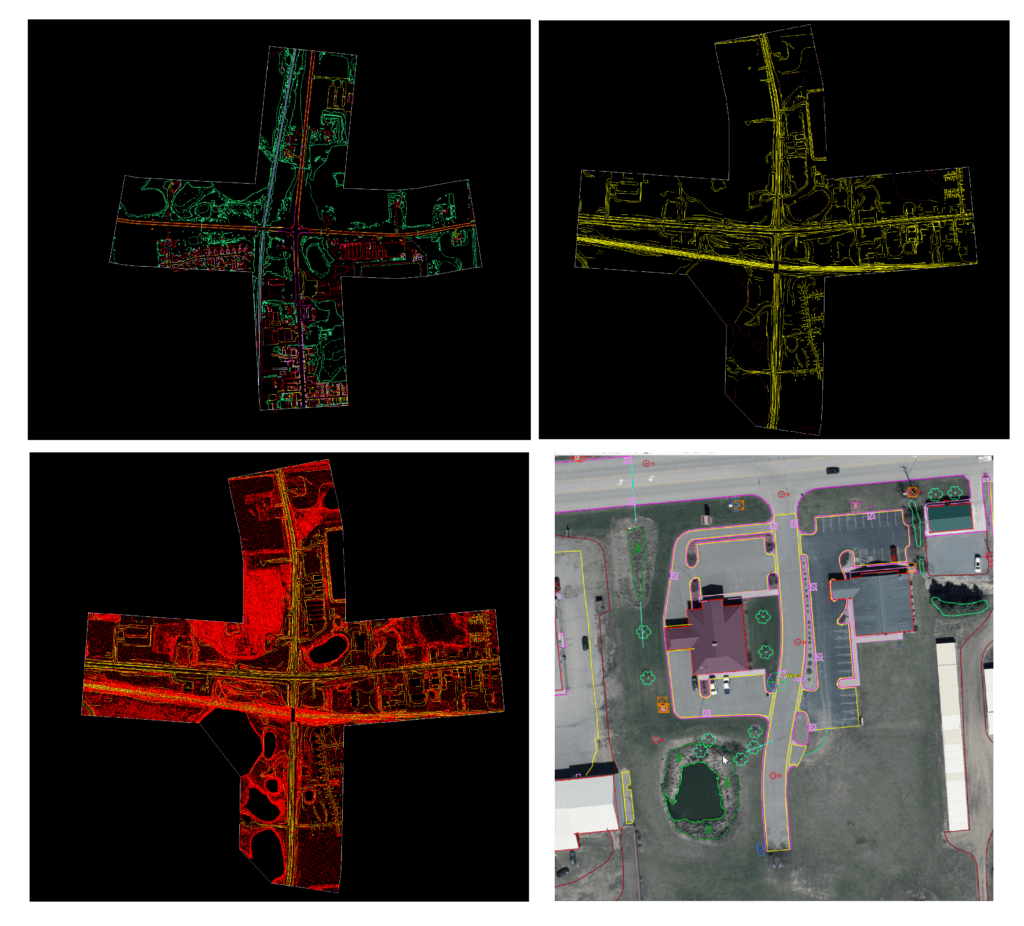
That experience reminds me why exposure, mentorship, and professional development opportunities matter. Sometimes all it takes is one introduction to a career you never knew existed to change the direction of your future.
Visibility in STEM Is More Than Being Visible
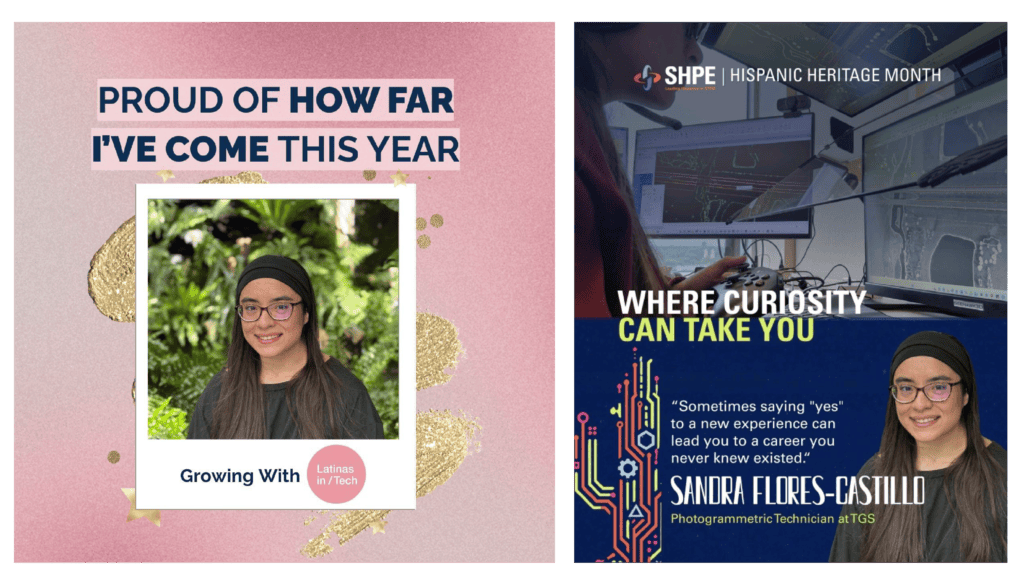
As a Latina and first-generation college graduate, I have come to understand that representation is about more than being seen. It is about helping someone else recognize what might be possible for them. This belief has shaped my involvement in professional organizations and STEM outreach initiatives.
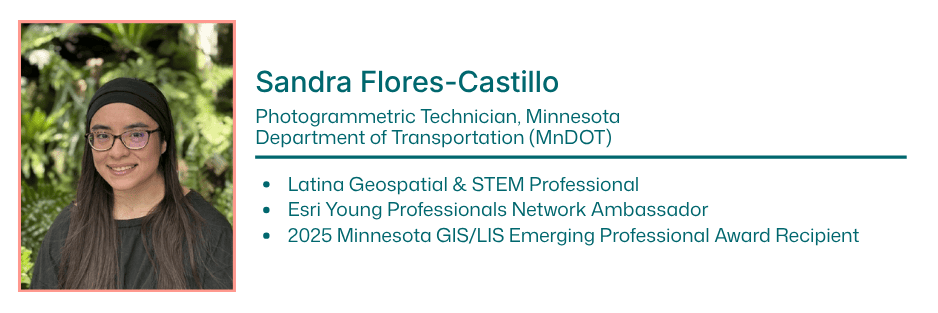
As an Esri Young Professionals Network (YPN) Ambassador, I have had opportunities to connect with other geospatial professionals, share my experiences, and encourage conversations about career development.
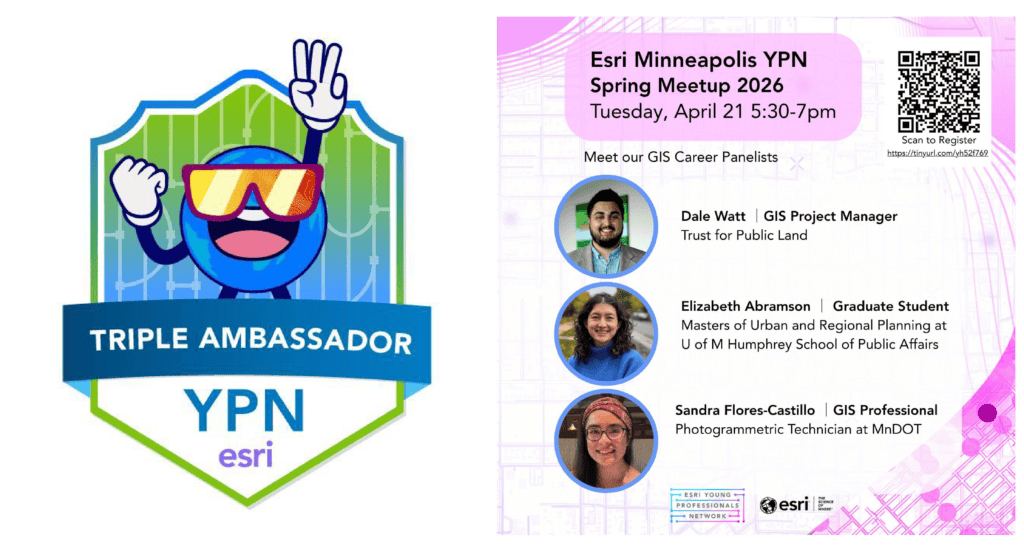
One particularly meaningful opportunity was participating as a panelist at the Esri YPN Minneapolis Career Panel in April 2026. Being part of that panel allowed me to reflect on my journey and share my perspective alongside other professionals. It was also a reminder of why I value spaces where people can openly discuss their experiences, career paths, and the lessons they have learned along the way. Beyond Esri YPN, I have also connected with professional communities such as the Society of Hispanic Professional Engineers (SHPE), Women+ in Geospatial, Latinas in STEM, Association of Women in Science, Engineer Teen, Royal Australian Chemical Institute, and GeoConnectED.
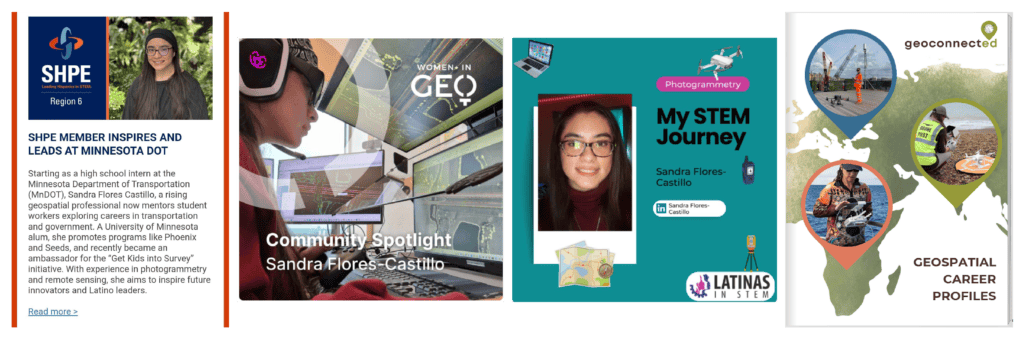
These communities have reinforced the importance of representation, professional development, and creating spaces where individuals from different backgrounds can connect, share experiences, and support one another. For me, being involved in these communities is about more than professional networking. It is about learning from others, celebrating diverse voices in STEM, and contributing to a future where more women and Latinas feel welcomed and represented in geospatial careers.
I Want Students to See the Person Behind the Map
Maps are everywhere, but the people and careers behind them are not always visible.
Most people have used a map to navigate somewhere. Far fewer have considered the professionals who collect, analyze, and transform geographic information into something useful. As a Get Kids Into Surveying Ambassador, I have enjoyed helping introduce students to surveying, mapping, and geospatial careers.
One particularly memorable experience was being invited as a guest speaker for Forest Lake High School’s Career Launch event, where I had the opportunity to share my career as a Photogrammetric Technician at MnDOT.
Speaking with students in a classroom setting was an incredibly rewarding experience. I enjoyed introducing them to photogrammetry, explaining how aerial imagery and geospatial technology help create maps, and sharing what my work looks like behind the scenes.
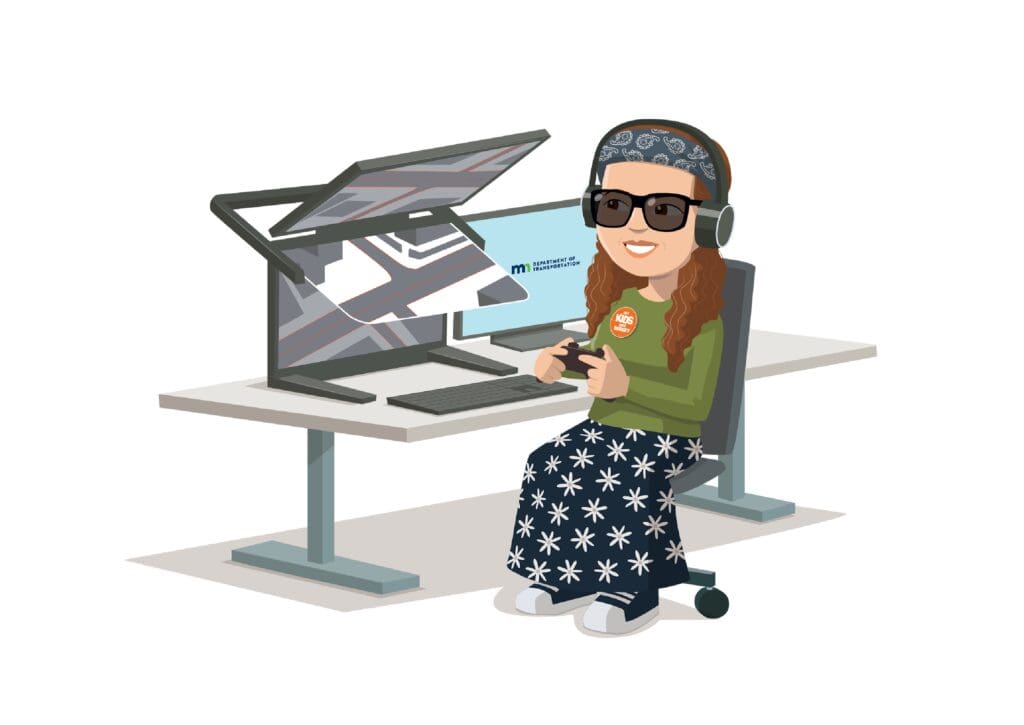
What made the experience especially meaningful was seeing the students’ curiosity and amazement as they discovered a career many had never heard of before. Their interest and questions reminded me of why I am passionate about STEM outreach.
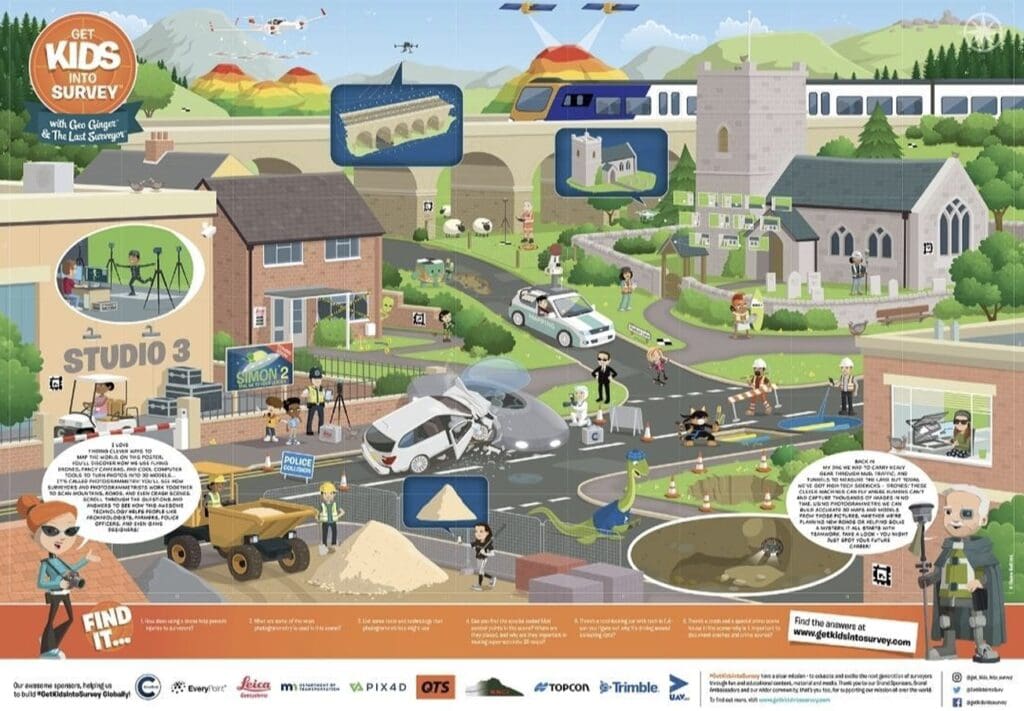
I once stood in a similar position, unaware that photogrammetry was even a possible career path. Now, I had the opportunity to introduce that same field to students who were beginning to explore their own futures.
That moment reminded me that sometimes inspiring the next generation begins with simply showing them something they never knew existed.
When I share my experiences, I want students to see more than the technology. I want them to see the person behind it.
A Latina.
A first-generation college graduate. Someone who did not grow up knowing that this career existed.
My goal is not to convince every student to pursue geospatial science.
It is to help them discover another possibility they may not have considered before. Sometimes knowing that an opportunity exists is the first step toward pursuing it.
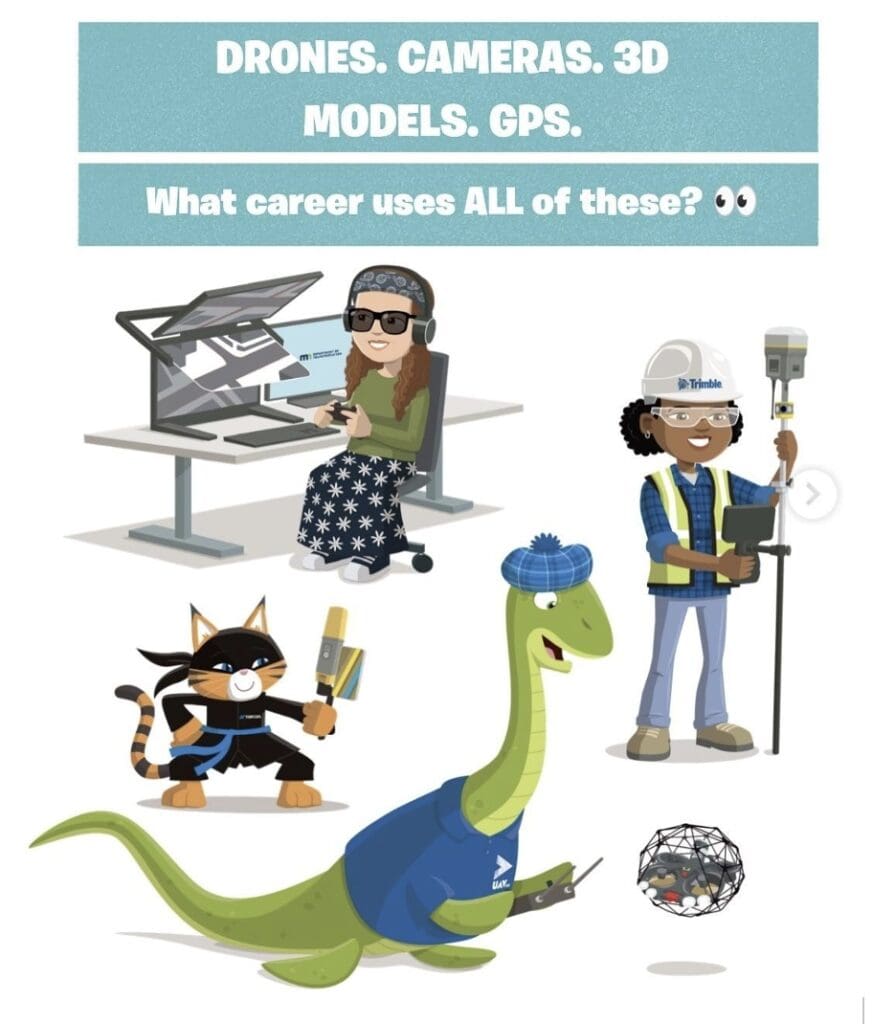
Get Kids Into Surveying
Mentorship Can Turn “I Didn’t Know” Into “Maybe I Could
Representation can introduce someone to a possibility, but mentorship can help them take the next step. Mentoring has become another meaningful part of my journey.
Through connections with students at the University of Minnesota, I have had opportunities to share my experiences studying geography, transitioning into the professional world, and exploring careers in GIS and geospatial technology.
I understand how overwhelming it can feel to navigate education and career decisions, especially when you are still discovering what interests you. I believe students benefit from hearing that careers do not always follow a perfectly straight path.
Sometimes we discover our interests through internships, classes, conversations, and unexpected opportunities. More recently, I joined Letters to a Pre-Scientist, a STEM outreach program that connects STEM professionals with students through handwritten letters.

I was recently matched with a student pen pal and received my first letter. I look forward to beginning our correspondence, sharing my experiences in geospatial STEM, and encouraging curiosity about science and future career possibilities.
Although this mentoring experience is just beginning, it reflects something I deeply believe: sometimes making a difference starts with something as simple as taking the time to connect with someone. I do not believe being a mentor means having every answer.
Sometimes it means being willing to share your experiences, listen, offer encouragement, and help someone recognize their potential.
Representation Is Not About Being the Only One Forever
There is a familiar phrase often used when discussing representation: If they can see it, they can be it. I believe there is truth in that message. But I also believe we should take it further.
The goal should not be for young Latinas to see one Latina succeeding in STEM and believe she is an exception. The goal is for them to see so many Latina scientists, engineers, geographers, surveyors, technologists, and other STEM professionals that our presence becomes familiar.
I have been fortunate to receive recognition throughout my professional journey, including the 2025 Minnesota GIS/LIS Emerging Professional Award.
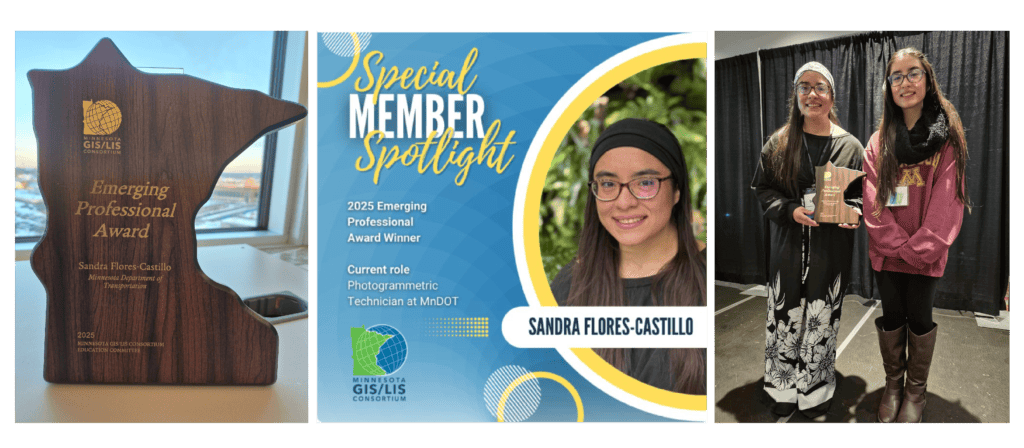
While receiving recognition is meaningful, I also see it as an opportunity to help increase visibility for geospatial careers and the people who pursue them.
I want my accomplishments to represent more than individual success. I want them to contribute, even in a small way, to a future where young Latinas can see themselves in careers they may never have imagined.
That future requires outreach, mentorship, educational opportunities, and people who are willing to share their journeys.
For me, that is where community responsibility begins. I benefited from mentors, educators, internships, and programs that helped introduce me to opportunities.
Now I want to help create that same sense of possibility for others.
Success Means More When Someone Else Can See a Path Forward
As I continue growing professionally, I find myself thinking not only about what I want to accomplish, but also about the impact I want to leave behind.
I want to continue supporting STEM education, mentoring students, and introducing younger generations to the geospatial industry. I want more students to understand that geography and mapping can lead to meaningful careers in technology, transportation, environmental science, engineering, and beyond.
And I especially want young Latinas to know that their perspectives, experiences, and ideas belong in these spaces.
I cannot know exactly which conversation, classroom visit, career panel, or letter might inspire someone. But I believe that showing up creates the possibility.
If sharing my journey helps even one young Latina discover a STEM career she had never imagined for herself, then showing up is worth it.
Help the Next Generation of Latinas See Themselves in STEM
You do not need a large platform or an impressive title to make representation matter. If you work in STEM, consider sharing your experiences with someone who is still exploring their future.
Volunteer at a school.
Mentor a student.
Participate in a career panel. Introduce someone to a profession they have never heard of.
And if you are a young Latina wondering whether there is a place for you in STEM, I hope my journey reminds you that there are more possibilities than the careers you already know. Stay curious.
Ask questions. Seek opportunities. Connect with people who encourage you to grow. You do not have to know exactly where your journey will lead to begin exploring what is possible.
And someday, you may become the person who helps someone else see what is possible, too.
Website: https://sites.google.com/view/sandraflores-castillo
LinkedIn: Sandra Flores-Castillo